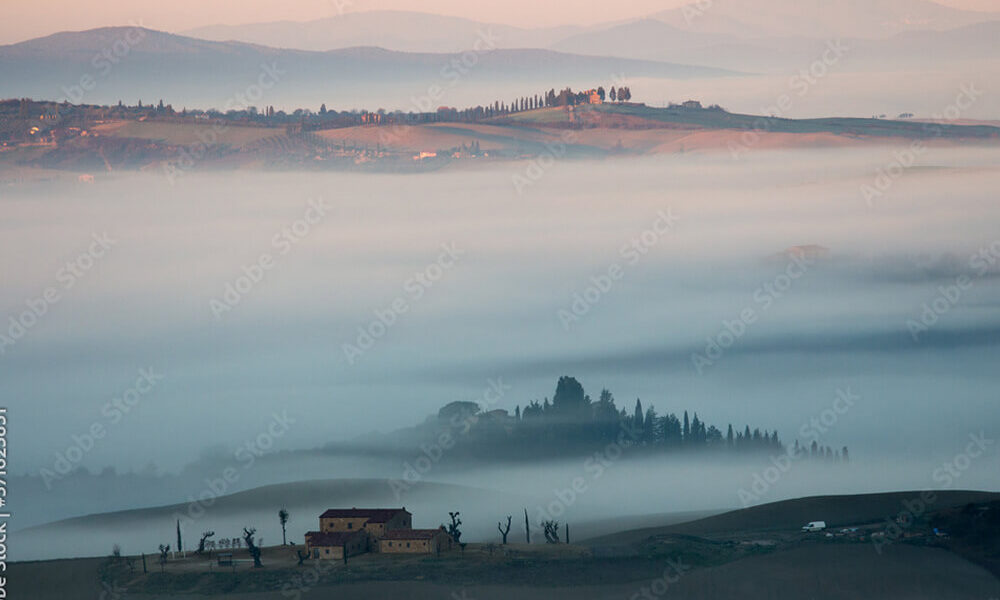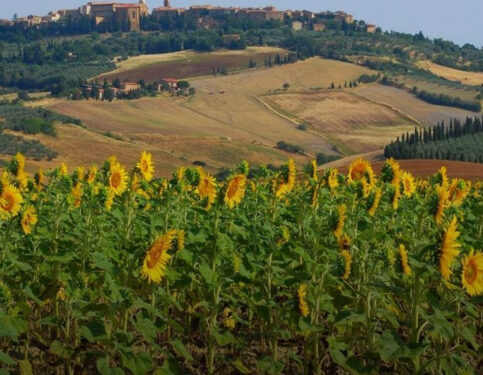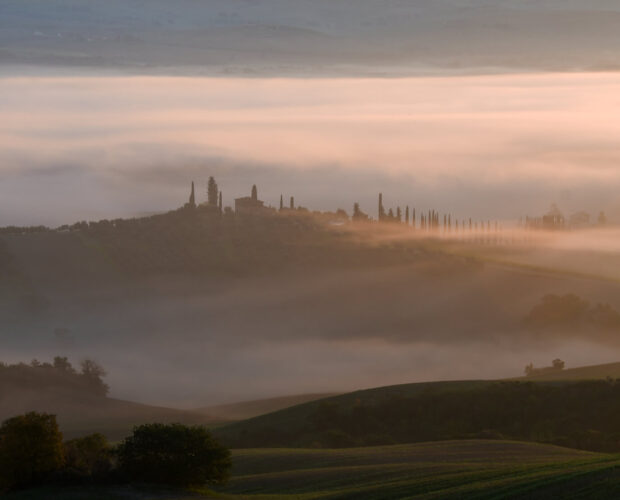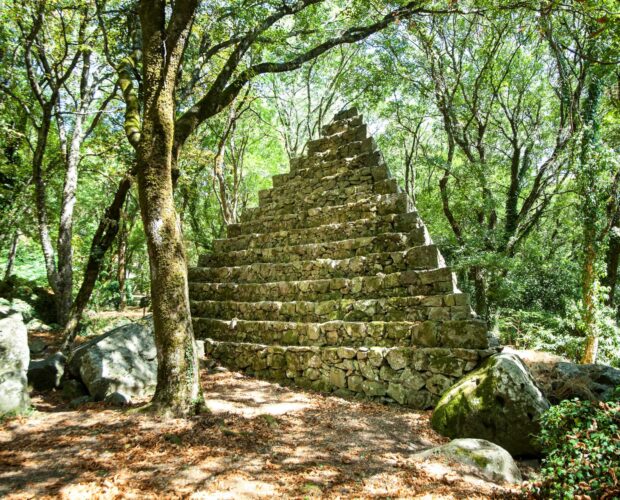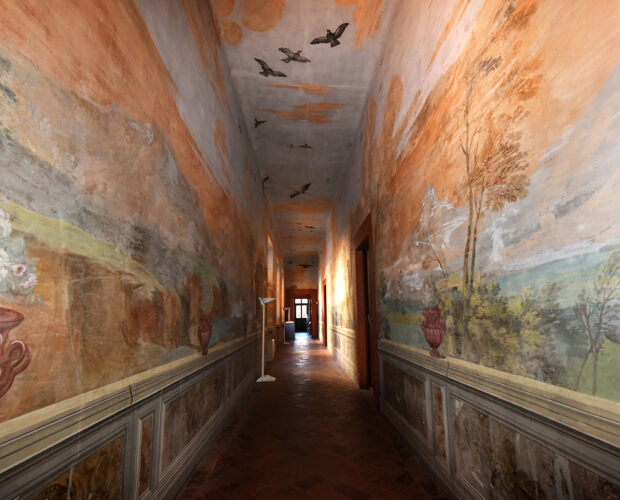
Nature reserves, long rows of cypress trees, and centuries-old oaks alternate with the geometric beauty of vineyards, in an eclectic landscape waiting to be discovered.
The Val d’Orcia is an extraordinary land where the wonders of nature and the works of humankind merge to create cultural landscapes of exceptional beauty and value. The Artistic, Natural and Cultural Park of the Val d’Orcia was established precisely to protect the natural and artistic treasures of this valley, a landscape recognized as a UNESCO World Heritage Site.
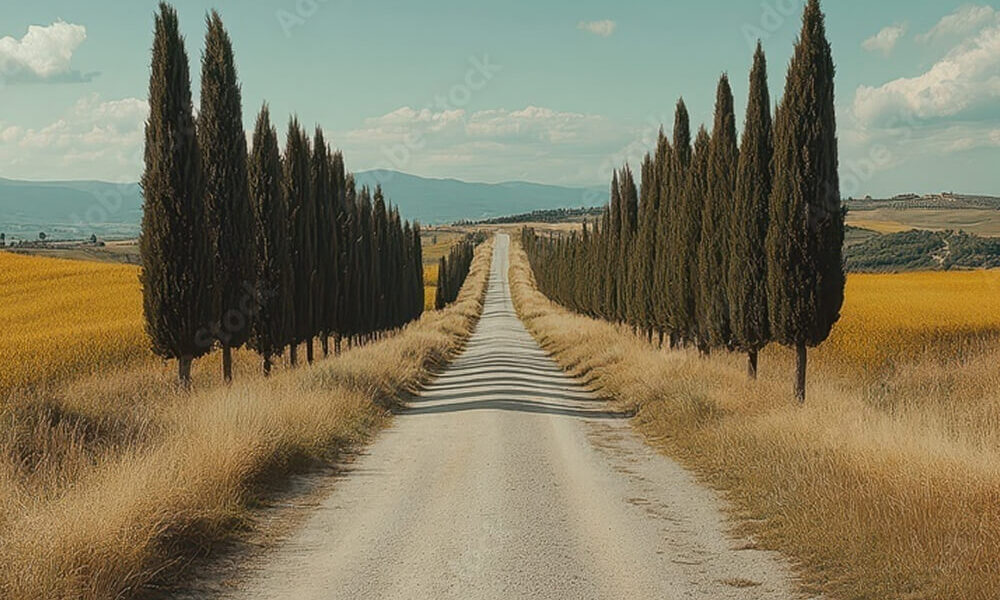
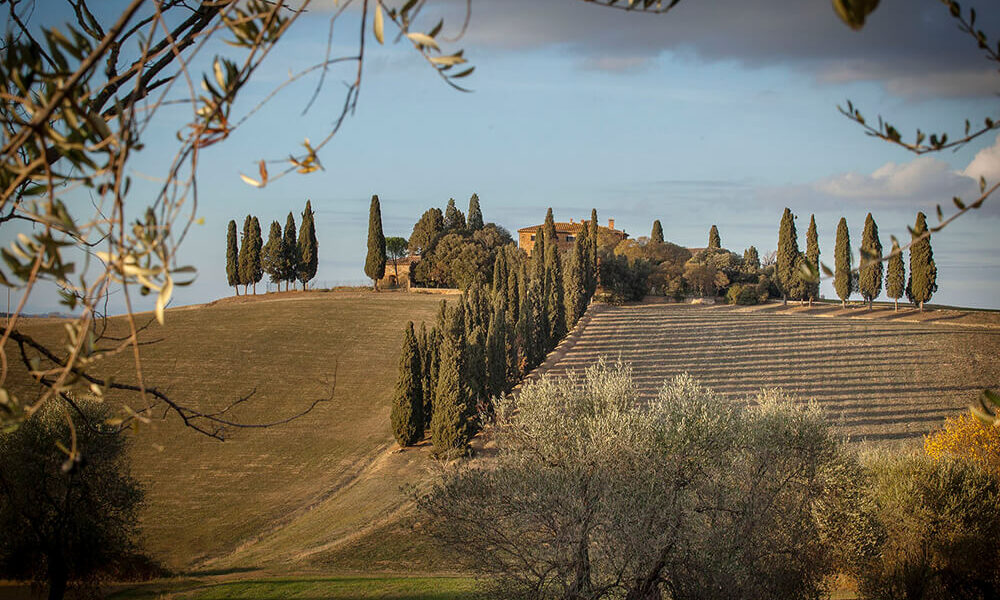
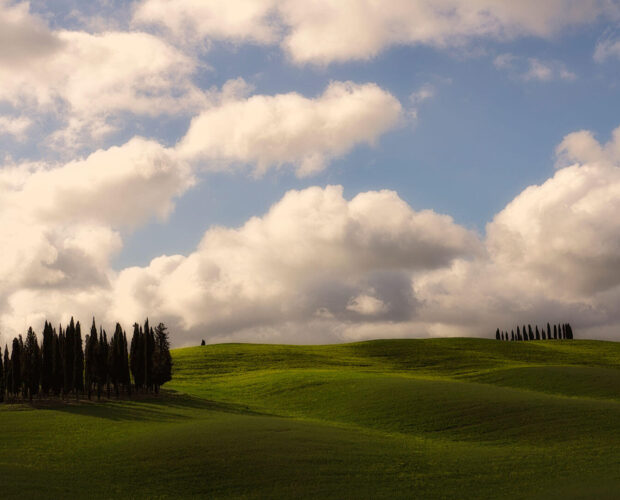
The countryside’s iconic silhouette is often marked by rows or clusters of cypress trees — a symbol of the region. Though not native to the area, cypress trees fascinated the Etruscans and inspired artists since the Middle Ages. Some of the most picturesque places to admire them are actually man-made: from elegant avenues lined with trees to the famous cypress grove, where the air carries the unmistakable scent of resin.
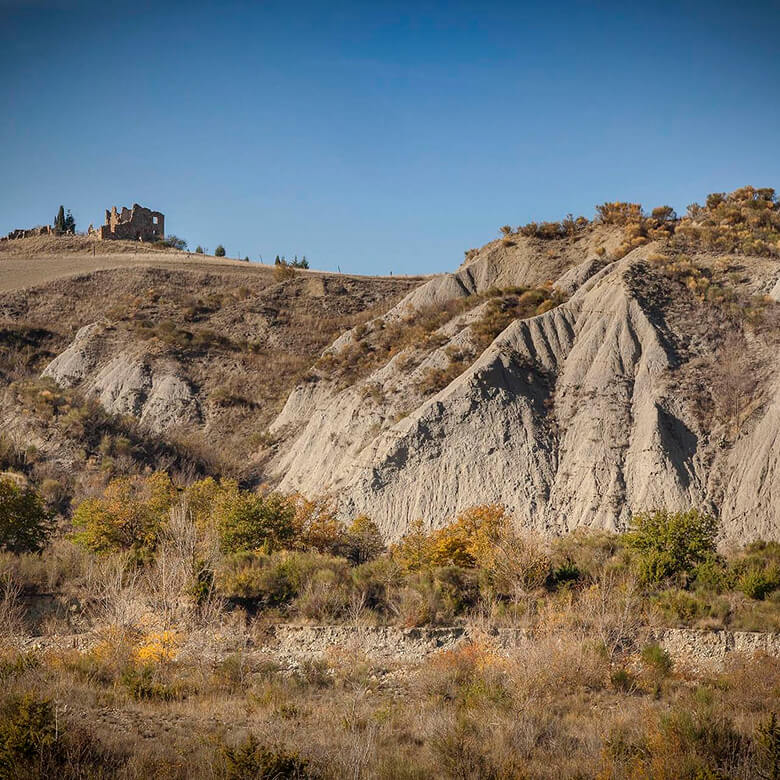
A very different spectacle awaits in the clay-rich terrain of the protected Lucciolabella Nature Reserve. Here, the landscape turns arid and lunar-like, with few hardy plants — such as wormwood, helichrysum, and Artemisia cretacea — dotting the rocky formations known as calanchi and biancane. The former rise like jagged crests from the earth, while the latter are barren, gray hills where nothing grows on the summit. Outdoor trails crossing the reserve allow you to walk through this surreal landscape — one that millions of years ago was covered by the sea. In fact, the world’s best-preserved fossil of a prehistoric dolphin was discovered here.
Not far from Lucciolabella stands one of the Val d’Orcia’s most iconic monumental trees: the Quercia delle Checche — also known as the Witches’ Oak or simply Il Quercione (the Big Oak). Nearly four centuries old, this majestic oak has silently witnessed the passage of time. During World War II, partisans took shelter behind its great trunk to reload their ammunition. Over the years, countless visitors have come to admire it. Its name is believed to derive from the Tuscan word checca (magpie), likely due to a nesting tradition and local legends of witches’ sabbaths under its branches. Though it’s not the only monumental tree in the area, it became the first “green monument” officially recognized in Italy by MiBACT in 2017.
Other centuries-old trees can be found in the ancient woods surrounding Vivo d’Orcia, where nature is lush, untouched, and deeply rooted in time.
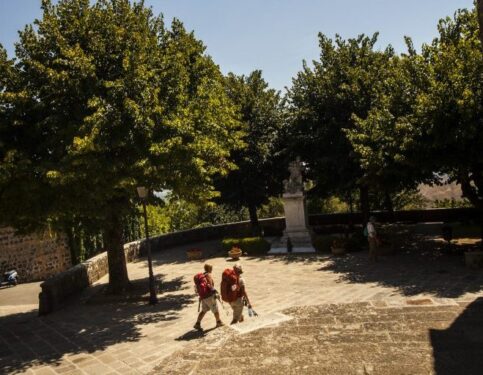
From the rolling hills to the forested valleys, the entire Val d’Orcia is crisscrossed by romantic white roads and scenic trails perfect for walking or cycling. With or without the help of the official app, these routes invite you to explore every corner and uncover the hidden beauty scattered throughout this remarkable land.