The must-try flavors of the Val d’Orcia
The culinary heritage of the Val d’Orcia brings to the table genuine dishes and rich, comforting flavors, deeply rooted in the land. Every town in the area tells its own story through honest and authentic recipes—perfectly discovered on a tour of must-try local specialties.
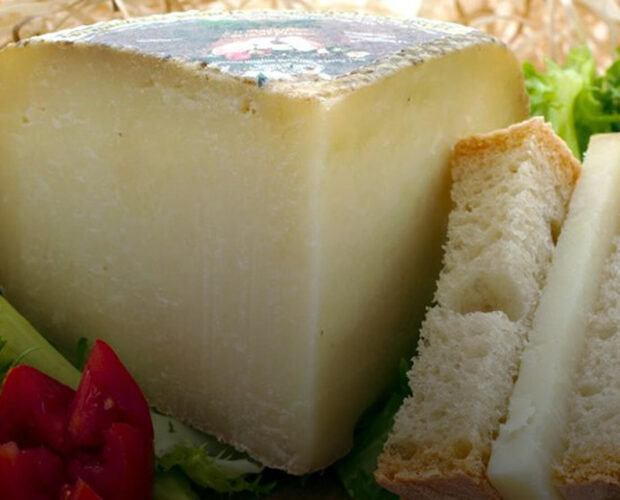
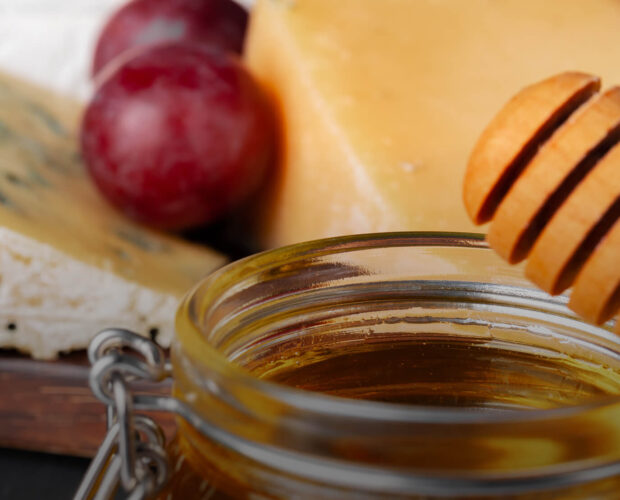
The quality of Tuscan cured meats and cheeses is widely known, and charcuterie boards featuring pecorino cheese and honey are often the stars of the meal—especially when paired with a slice of pane sciapo, the region’s typical saltless bread.
Alongside these, homemade pasta holds a place of honor: one simply must try the famous pici (or pinci, as they’re called in Montalcino) served with a rich meat ragù or aglione garlic sauce, as well as the Raviolo di Contignano, a specialty of the Radicofani area, typically served with tomato sauce or butter and sage.
For lovers of pici and Tuscan crostini, the Sagra del Crostino e dei Pici Fatti a Mano (Festival of Crostini and Handmade Pici) in Castiglione d’Orcia is a must. Meanwhile, in San Quirico and Montisi, another prized local product takes the spotlight: olive oil.
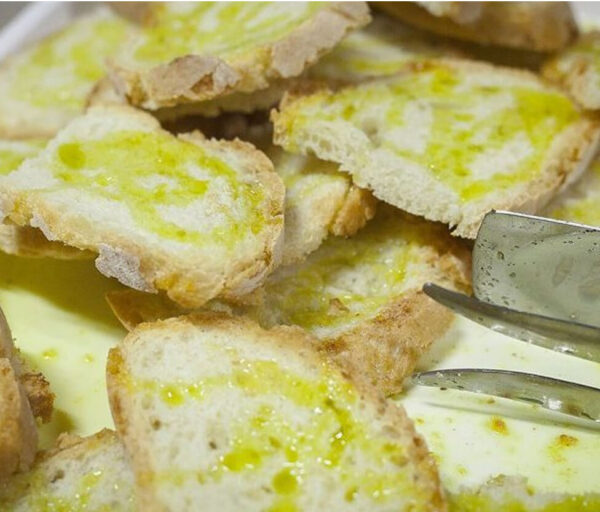
Many oil mills (frantoi), nestled among olive groves, offer visits and tastings. Tasting extra virgin olive oil fresh from the producer, drizzled over a slice of rustic Tuscan bread, is an experience not to be missed. It’s a delicious way to discover both local flavors and the surrounding landscape. The area is home to Terre di Siena PDO Extra Virgin Olive Oil (Olio Extravergine di Oliva DOP Terre di Siena), a true gem of local gastronomy protected by its namesake consortium.
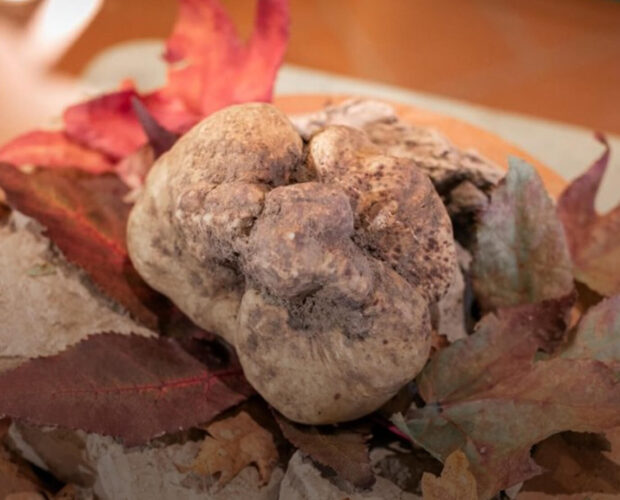
The journey through Val d’Orcia’s flavors also includes other treasures of the land, such as the White Truffle of the Crete Senesi, found mainly in the areas around San Giovanni d’Asso—not far from Montalcino. Its unmistakable aroma adds elegance to any dish, offering a fragrant preview of taste.
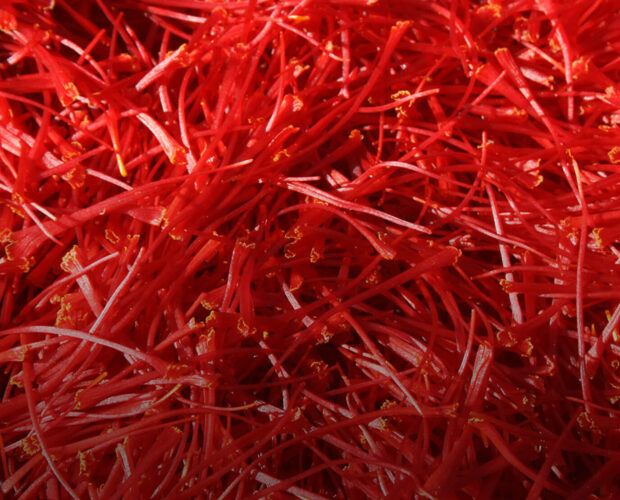
Saffron, known as the “red gold” of the table, surprises with its delicate flavor and vibrant color. It enhances traditional dishes like tripe and inspires innovative pairings when used to flavor beer or honey.
Autumn days are perfumed by the fruits of the Monte Amiata woodlands—an ancient extinct volcano—where mushrooms and chestnuts are seasonal stars in the local villages. The Castagna IGP (PGI chestnut) takes center stage in towns like Vivo d’Orcia and Campiglia d’Orcia, where the Festa del Fungo e della Castagna (Mushroom and Chestnut Festival) and the Festa del Marrone (Chestnut Festival) are celebrated. These chestnuts are also the base for traditional Tuscan desserts.
Peasant tradition has passed down simple dessert recipes to end meals on a sweet note, including the classic Ciambellone Antico—an old-fashioned ring cake made with olive oil instead of butter.
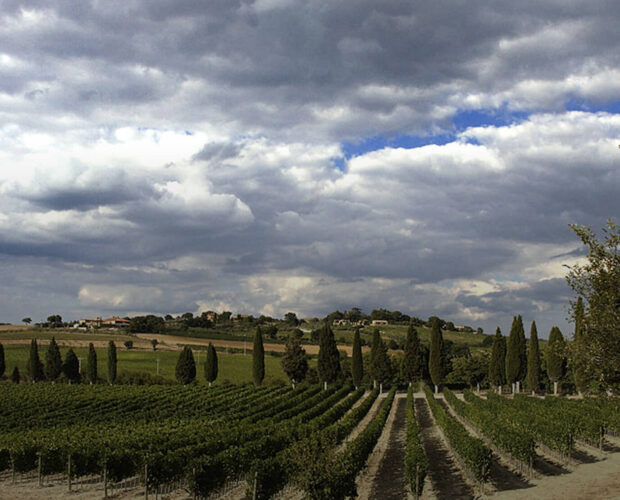
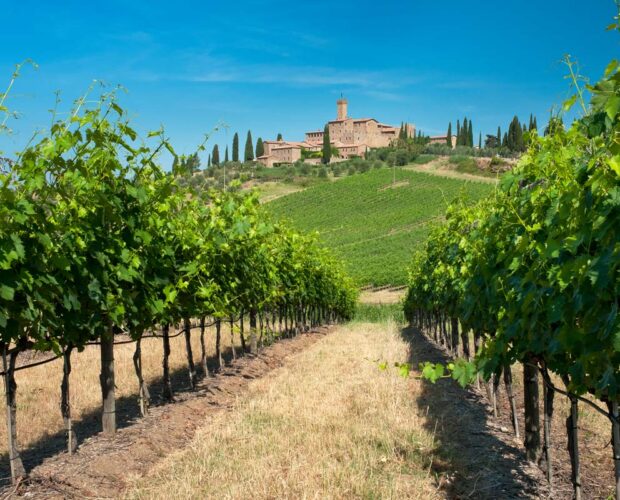
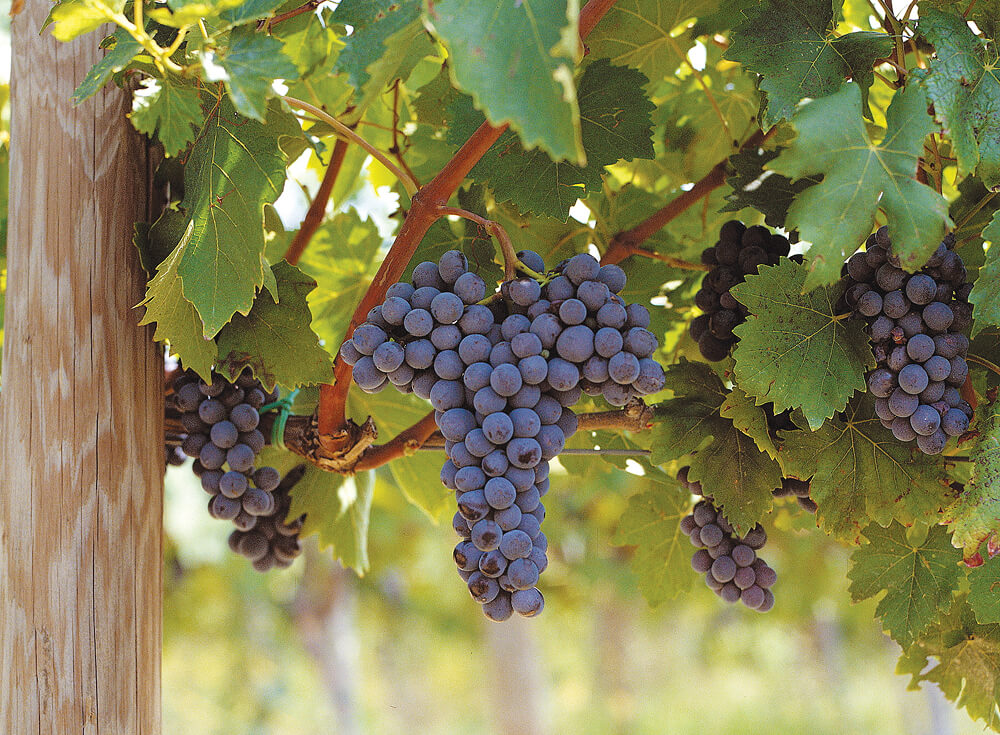
There are countless dishes to enjoy in the Val d’Orcia, offering something for every palate. And of course, they’re best paired with local wines such as Orcia DOC and Brunello di Montalcino.